Textiles

Explore Brighton Museum’s flat textile collections acquired by the Fashioning Africa project.
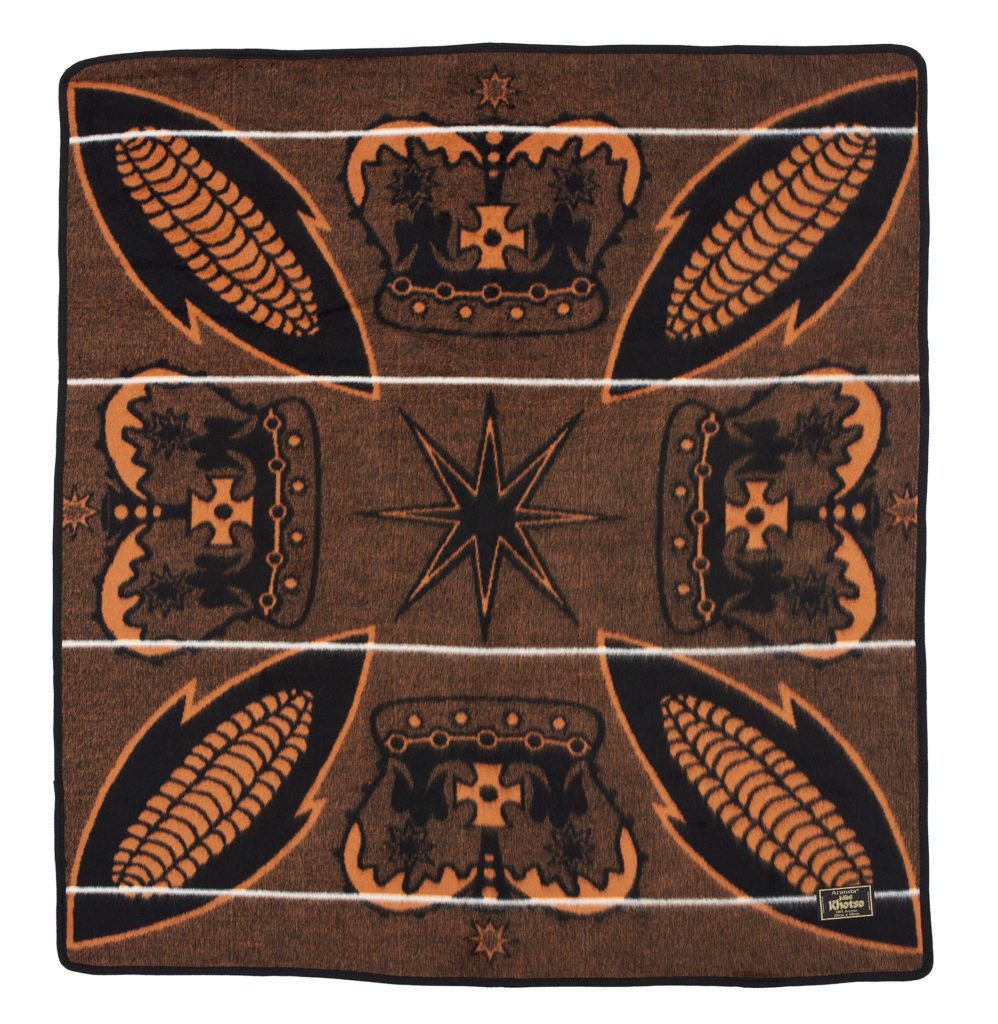
Square brown, black and yellow basotho blanket with a design of corncobs and crowns
This thick blanket is an iconic textile in southern Africa. Originating in Lesotho, they are associated with King Moshoeshoe I Read more
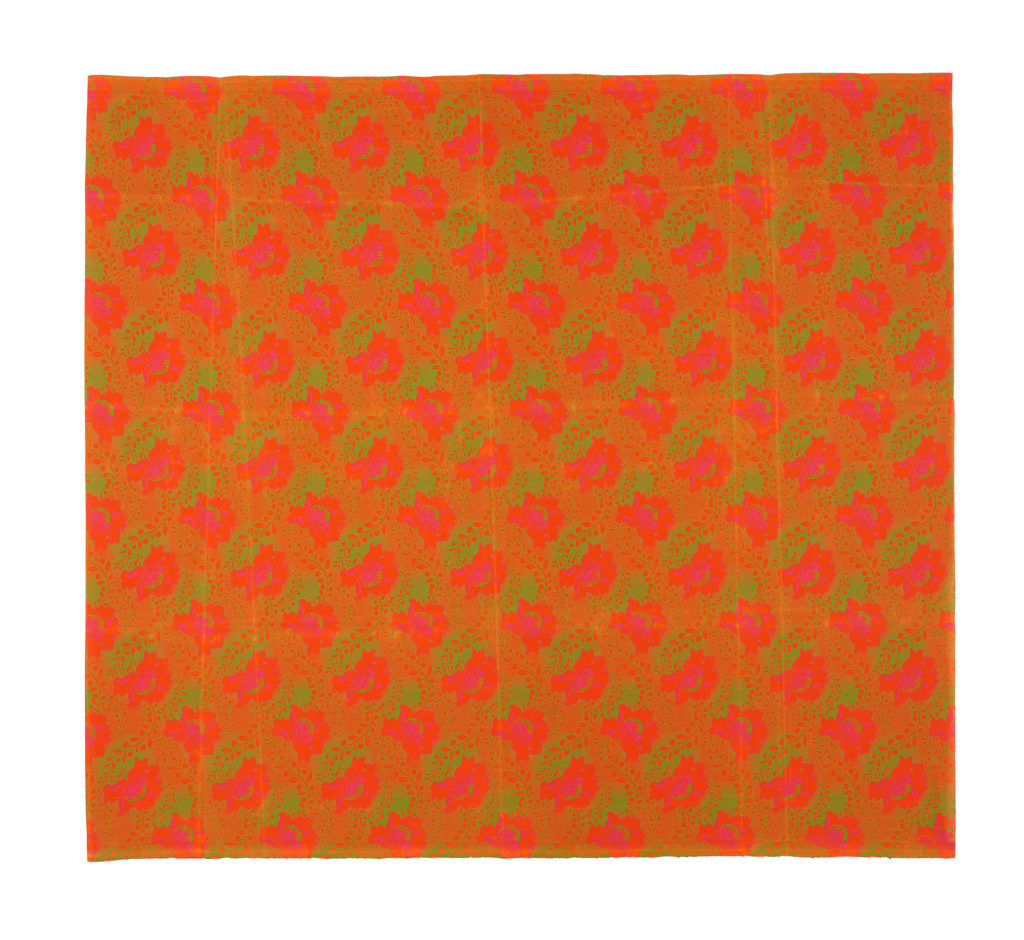
bright orange and green printed cotton fabric
Shweshwe is a printed cotton fabric that is so ubiquitous in southern Africa that it has been called the denim Read more
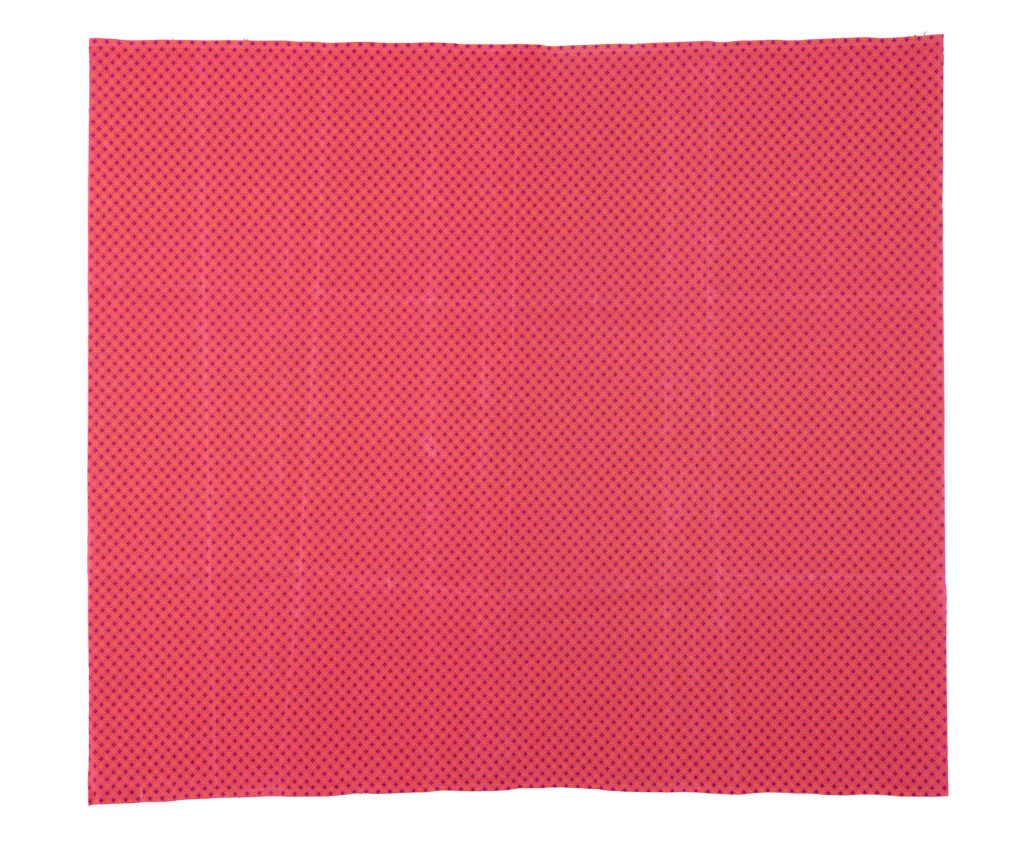
bright pink printed cotton shweshwe fabric
Shweshwe is a printed cotton fabric that is so ubiquitous in southern Africa that it has been called the denim Read more

Textiles form an important part of the new Fashioning Africa collection. There is a long rich history of weaving, printing, dying, embellishing and repurposing textiles throughout the African continent and the new collection showcases diverse styles, techniques and practices as seen in post-1960s textiles produced in African countries and the UK African diaspora.

Collected examples include textiles that are culturally-specific, such as the ‘Neck of elep with a line’ design shirt from the Jóola community in Senegal, textiles produced and worn over a broad geographic area like shweshwe (German cloth) from southern Africa and aso-oke cloth from Nigeria, and textiles that have become global signifiers of a pan-African identity, such as wax print and dashiki.

Some of the collected textiles are cloths made to be worn as a wrap or pair of wrappers, or to be used as accessories, for example kangas from East Africa, Basotho blankets from southern Africa, and kente cloths from Ghana. Others are examples of material that would be used to make tailored garments, or pieces of material, for example strips of fabric that would be sewn together to make up a cloth. Examples include both handwoven and mass-produced pieces.
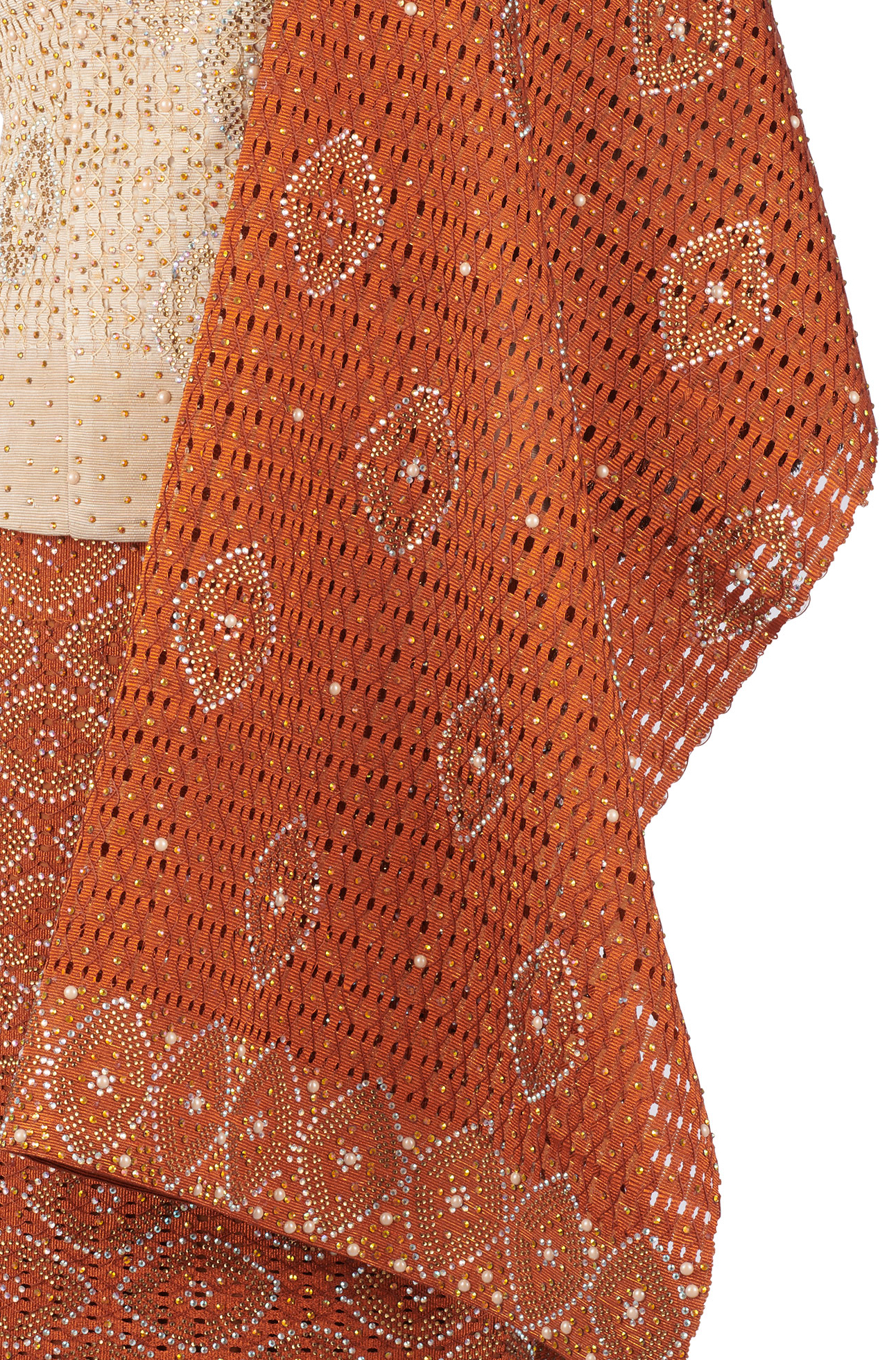
detail of orange and gold aso-oke fabric embellished with sequins and gems

Details of aso-oke outfit (Museum Accession Number R6091)

The collected textiles demonstrate the evolution of textile design and manufacture over time, according to everchanging tastes, identities and fashions. Examples include classic styles and techniques, as well as innovative contemporary pieces. These demonstrate some of the ways in which textile production and taste have developed as well as the impact of new technologies. A 2018 example of an aso-oke textile demonstrates this: it is made using a design and technique which are over 120 years old, but also features a contemporary silhouette and layers of embellishments applied using new technology.

Given the extraordinary range and diversity of textiles produced in African countries, the examples collected by Brighton Museum can only provide a limited insight into post-1960 textile production and consumption. Nevertheless, given the relative absence of textiles of this period in museum collections, we hope that these might provide useful starting points for considering how wider social, political, cultural and economic changes have been reflected in the making and wearing of textiles in African countries in the post-independence era.

Object photographs courtesy of John Reynolds

R6095/3 Textile; Blanket

Square brown, black and yellow basotho blanket with a design of corncobs and crowns

Basotho blanket (Museum Accession Number R6095/3)

This thick blanket is an iconic textile in southern Africa. Originating in Lesotho, they are associated with King Moshoeshoe I (c. 1786 – 1870) who was also responsible for popularising shweshwe fabric. Basotho blankets are worn around the shoulders secured with a large pin, reminescent of the way in which Sotho men would have traditionally worn a kaross (animal skin shawl). The blankets are now produced in South Africa by Aranda Textile Mills. This blanket is from Aranda’s ‘Mini Khotso’ range. Described as an entry level blanket, it is made of acrylic rather than the traditional wool and comes in a smaller size for children. Collected as part of the Fashioning Africa project.

Creator: Aranda Textile Mills

Place: Johannesburg, Gauteng, South Africa, Africa

Date: 2010s

basotho blanket styled on a mannequin with a blue shweshwe dress

Basotho blanket (Museum Accession Number R6095/3) styled with a shweshwe dress (Museum Accession Number R6099/1)

R6095/4 Textile; Shweshwe

bright orange and green printed cotton fabric

Shweshwe (Museum Accession Number R6095/4)

Shweshwe is a printed cotton fabric that is so ubiquitous in southern Africa that it has been called the denim of the region. The name is derived from King Moshoeshoe I of Lesotho (c. 1786 – 1870) who first popularised it. It is also known as German cloth after the Swiss and German settlers who imported the cloth to South Africa. Traditionally blue and white, modern shweshwe comes in a variety of bright colours such as this contemporary design from Da Gama. Collected as part of the Fashioning Africa project.

Creator: Da Gama Textiles

Place: Zwelitsha, Eastern Cape, South Africa, Southern Africa, Africa

Date: 2008

R6095/5 Textile; Shweshwe

bright pink printed cotton shweshwe fabric

Shweshwe (Museum Accession Number R6095/5)

Shweshwe is a printed cotton fabric that is so ubiquitous in southern Africa that it has been called the denim of the region. The name is derived from King Moshoeshoe I of Lesotho (c. 1786 – 1870) who first popularised it. It is also known as German cloth after the Swiss and German settlers who imported the cloth to South Africa. Traditionally blue and white, modern shweshwe comes in a variety of bright colours such as this contemporary design from Da Gama. Collected as part of the Fashioning Africa project.

Creator: Da Gama Textiles

Place: Zwelitsha, Eastern Cape, South Africa, Southern Africa, Africa

Date: 2008