Explore Brighton Museum’s fashion collections acquired by the Fashioning Africa project.
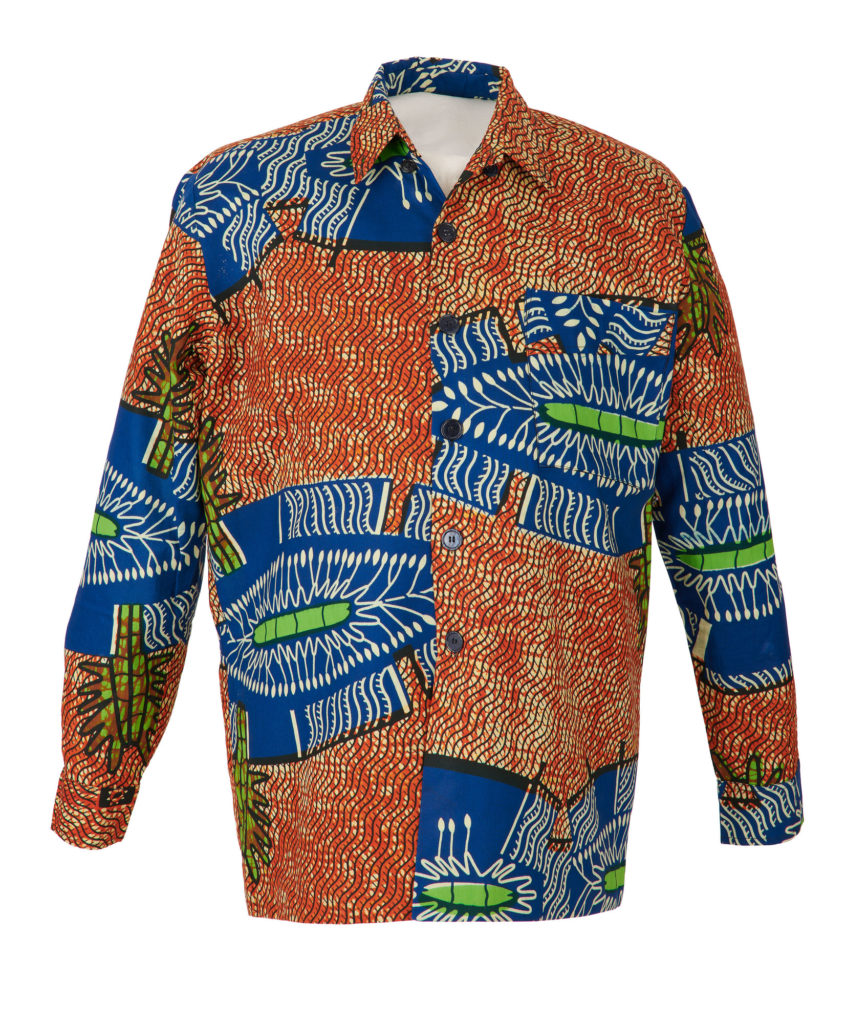
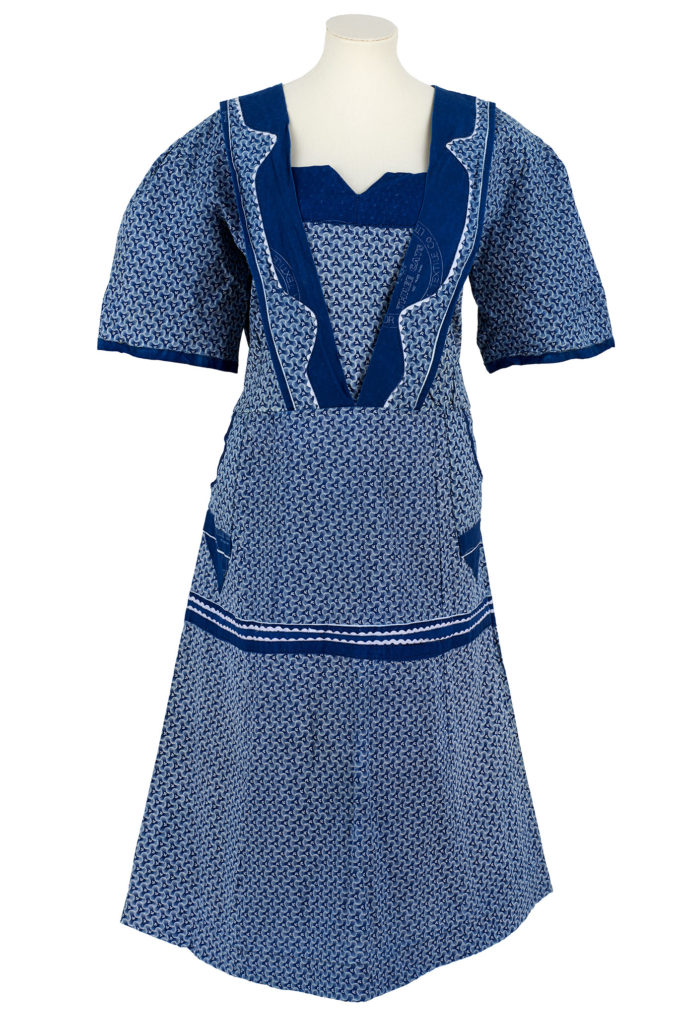
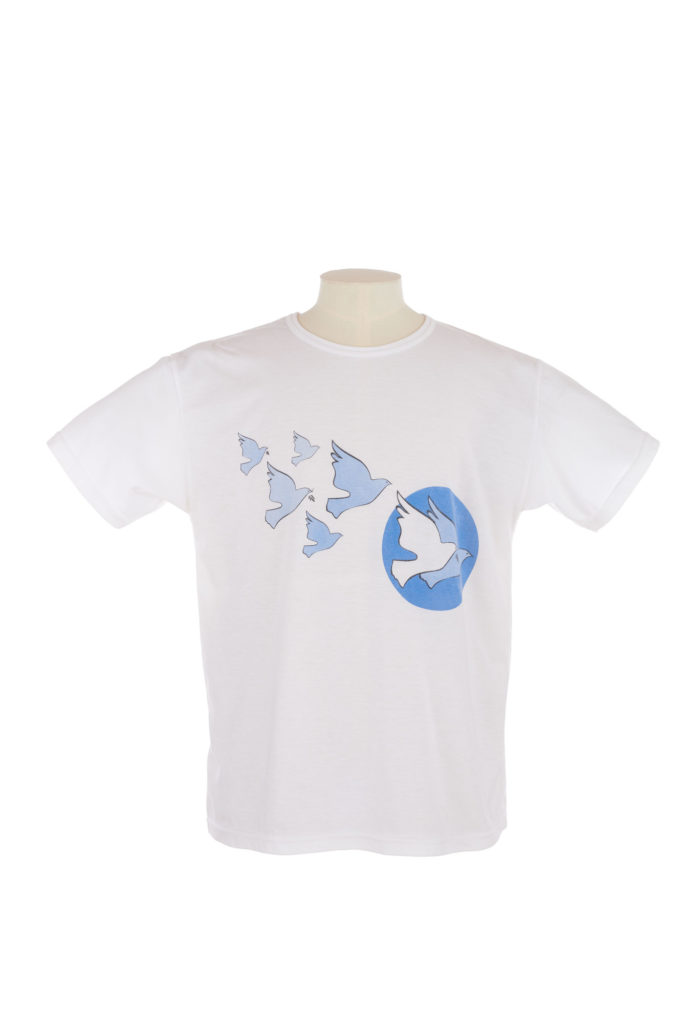
Garments form the largest part of the new Fashioning Africa collection. Single items and complete outfits from the African continent, and from UK-based African diaspora communities, demonstrate changing techniques, styles and stories in the post-independence period. Acquired garments and accessories include those put together by fashion designers, and others compiled by individuals creating their own distinct ‘look’ and style story.
Acquired garments include handmade shirts and trousers tailored from narrow strip-woven textiles such as kente and aso-oke, as well as from indigo-dyed cloths such as adire. Also collected is a northern Nigerian man’s robe that demonstrates the indigo burnishing technique which gives a shining metallic finish. Other acquisitions include a large collection of mass-produced T-shirts with political slogans from eastern and southern Africa.
Manufacturers are represented by individual items, as well as a range of shweshwe garments and sample books produced by Da Gama Textiles, South Africa, and a promotional range of clothing for men and women from ABC printed textiles which were made in Manchester, UK, and intended for an African and international market.
Garments by South Africa-based Clive Rundle, with his structural and intricate approach to womenswear, and Nigeria-based Nike Davies-Okundaye, who makes innovative indigo process womenswear, reflect the practice of well-established designers working on the African continent. Next generation London-based designers are represented through examples of flamboyant, highly patterned menswear by Samson Soboye, and luxury bridal wear by formal womenswear designer Yemi Osunkoya, whose label Kosibah is hugely popular with West African diaspora clients.
The Fashioning Africa Collecting Panel felt it was important to capture personal style stories and the museum collected outfits and capsule wardrobes from individuals that reflected their identity and taste. Ephemera collected to accompany and provide a context for the garments includes photographs, wedding videos, oral histories, written testimonies, poetry, personal effects and even an album cover. These have enabled individuals to communicate their unique style stories.
Personal style stories are communicated through many of the outfits, for example a skirt suit tailored from Woodin fabric from Ghana. This garment is accompanied by a photograph of the owner Akila Richards, wearing the outfit on stage in 1985 in the UK, where she lives and works as a writer and performer. Akila also created a poem and piece of written testimony highlighting the cultural and personal significance of her African print suit. The museum also acquired a capsule wardrobe representing designers, trends and techniques prevalent in Ivory Coast and Senegal during the late 20th century, collected by LA resident Saundra Lang whilst undertaking extensive travel and fashion research in West Africa across three decades. The collection of outfits and accessories is accompanied by photographs of Lang wearing the outfits, and reflects her unique style and identity.
Given the extraordinary range and diversity of garments produced in African countries, the examples collected by Brighton Museum can only provide a limited insight into post-1960 clothing production and consumption. Nevertheless, given the relative absence of garments from this period in museum collections, we hope that these might provide useful starting points for considering how wider social, political, cultural and economic changes have been reflected in the making and wearing of garments in African countries in the post-independence era.
Object photographs courtesy of John Reynolds