Accessories

Rectangular red pin badge made of padded plastic featuring Agostinho Neto
This pin badge features Agostinho Neto. Neto was the first president of Angola following the end of the Angolan War Read more
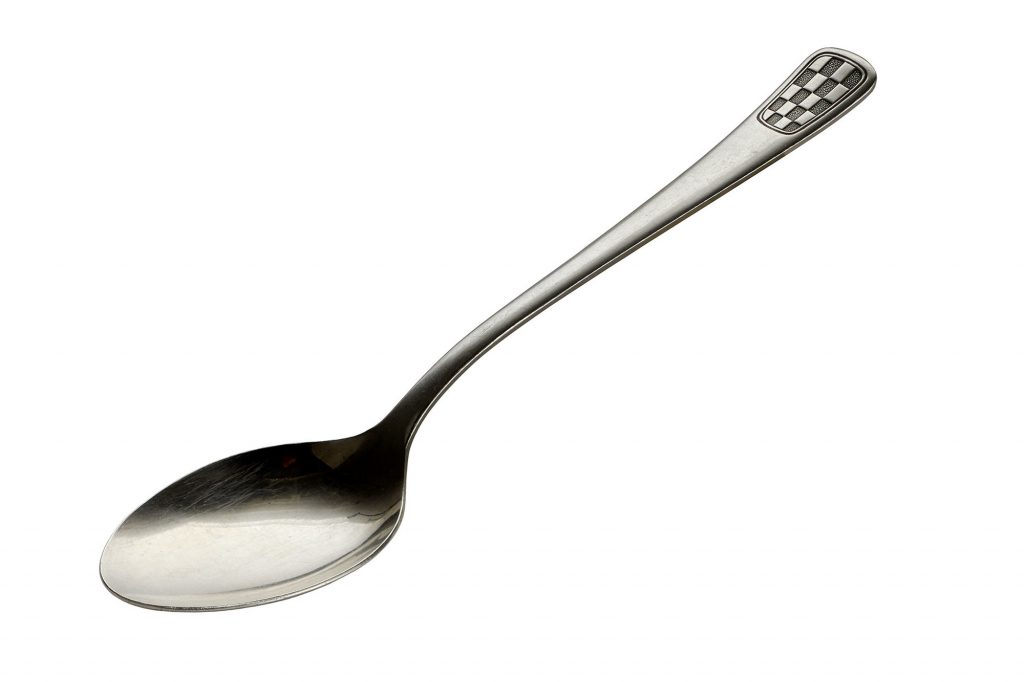
silver coloured metal spoon
This spoon was made in Cuba and issued, as part of a kit, to soldiers in the Zimbabwe People's Revolutionary Read more
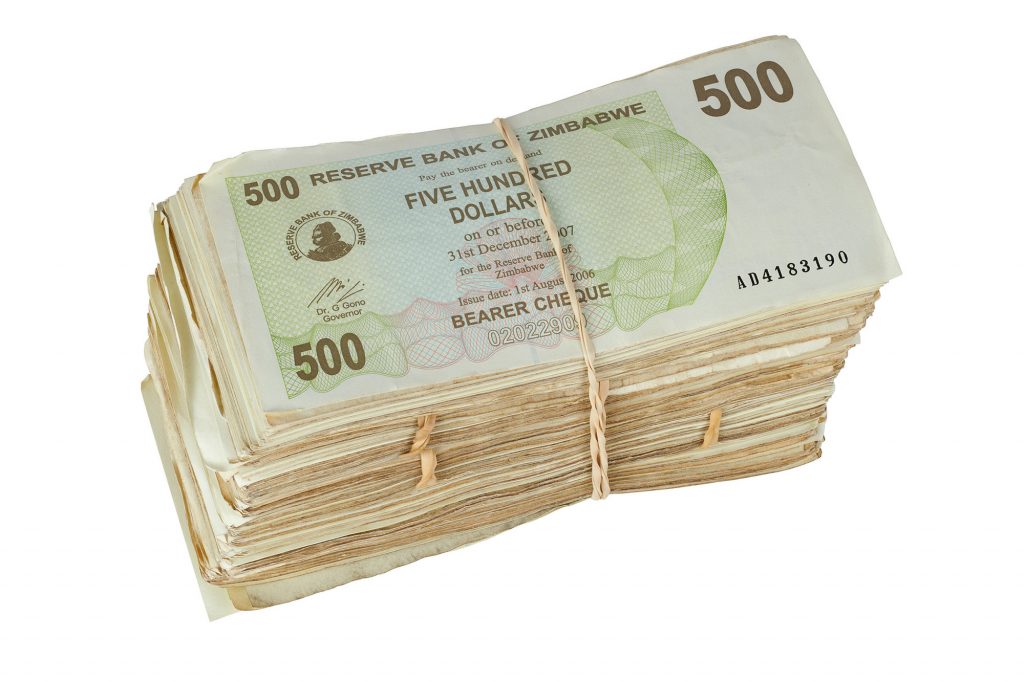
large bundle of paper money
This bundle of paper money from Zimbabwe, in Z$500 notes, is a relic from 2007, when Zimbabwe experienced monetary instability, Read more

Where possible, Brighton Museum sought to collect ‘complete’ outfits as part of the Fashioning Africa project. In contrast to a single garment or textile, outfits document how things were worn and by whom, providing insight into how identities are constructed in complex ways through garments, hairstyles, footwear, make-up, jewellery and other accessories.

Collected accessories include versions of the distinctive headwrap (gele) worn at special occasions by Yoruba women, as well as examples of coral and agate jewellery worn by the same. Many of the contemporary looks put together by designers and stylists for the exhibition Fashion Cities Africa included jewellery, bags and footwear. A styled outfit by Sunny Dolat of the Nairobi-based Nest Collective, for example, includes accessories designed by some of the city’s most prominent creatives: a pendant by Katungulu Mwendwa, geode and brass/leather cuffs by Ami Doshi Shah and clutch bag by Adele Dejak. In contrast, items acquired from former ZIPRA fighter Charles Makhuya, which include pin badges and pamphlets, reveal the political ideologies which motivated his military career.

The enduring popularity of beadwork in southern Africa is represented by several classic-style necklaces and an isicholo hat from the 2000s. Studio portraits taken in the 1970s by Bobson Sukhdeo Mohanlall and S J ‘Kitty’ Moodley demonstrate the cultural significance of beadwork at that time. Earlier examples of beadwork include glass bead necklaces from Nigeria in the 1950s: these would be worn with aso-oke and adire outfits. The museum also acquired a set of posters in Ghana documenting different women’s hairstyles.

Object photographs courtesy of John Reynolds

R6044/4 Badge

Rectangular red pin badge made of padded plastic featuring Agostinho Neto

Badge (Museum Accession Number R6044/4)

This pin badge features Agostinho Neto. Neto was the first president of Angola following the end of the Angolan War of Independence and the signing of the Alvor Agreement in 1975. It formerly belonged to Charles Makhuya. In the 1970s Charles was a guerrilla / freedom fighter with the Zimbabwe People’s Revolutionary Army (ZIPRA), the armed wing of the Zimbabwe African People’s Union (ZAPU). Collected as part of the Fashioning Africa project.

Creator: unknown

Place: Angola, Southern Africa, Africa

Date: 1970s

R6044/3 Spoon

silver coloured metal spoon

Spoon (Museum Accession Number R6044/3)

This spoon was made in Cuba and issued, as part of a kit, to soldiers in the Zimbabwe People’s Revolutionary Army (ZIPRA), an armed faction of the socialist Zimbabwe African People’s Union (ZAPU) political party. The spoon belonged to Charles Makhuya, a guerrilla/freedom fighter with ZIPRA in the 1970s. Collected as part of the Fashioning Africa project.

Creator:

Place: Cuba, Caribbean, North America

Date: 1970s

R6044/2 Money; Currency; Banknote

large bundle of paper money

Banknotes (Museum Accession Number R6044/2)

This bundle of paper money from Zimbabwe, in Z$500 notes, is a relic from 2007, when Zimbabwe experienced monetary instability, subjecting the currency to hyperinflation. It was the first case of hyperinflation in the 21st Century. This money belonged to Charles Makhuya, a guerrilla / freedom fighter with the Zimbabwe People’s Revolutionary Army (ZIPRA) in 1970s. It amounted to one month of a war veteran pension, but due to this hyperinflation, it was worth less than a loaf of bread. Collected as part of the Fashioning Africa project.

Creator: Reserve Bank of Zimababwe

Place: Zimbabwe, Southern Africa, Africa

Date: 2007